L’INIZIO DELL’ANNO LITURGICO NELLA TRADIZIONE BIZANTINA
L’INIZIO DELL’ANNO LITURGICO NELLA TRADIZIONE BIZANTINA
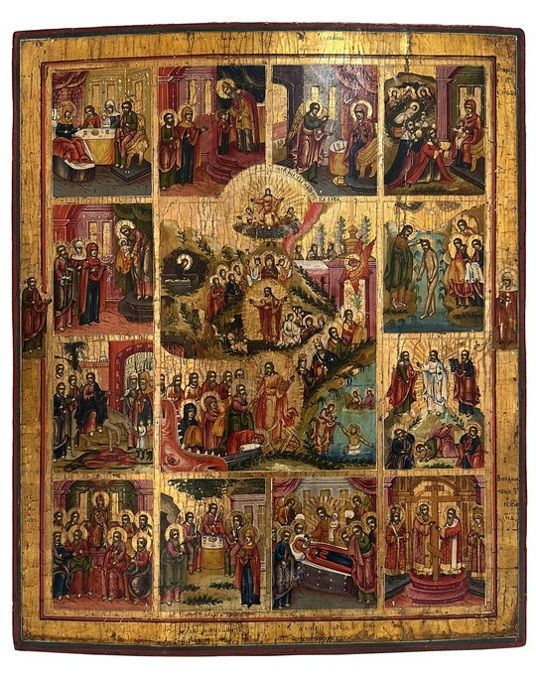
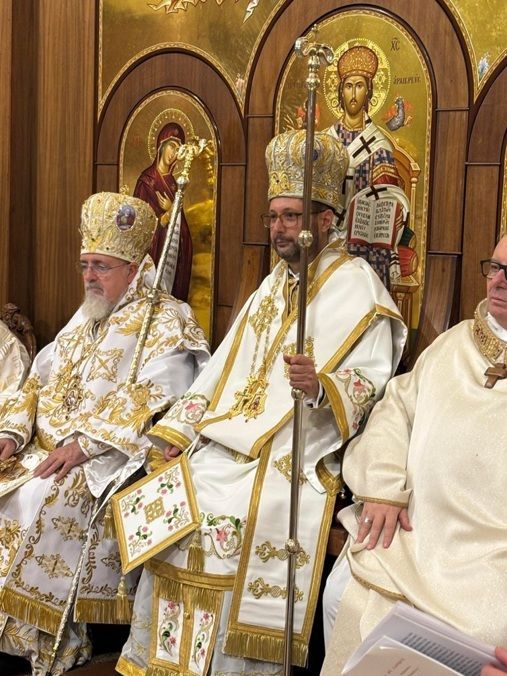
Il 1° settembre, coincide, nella tradizione liturgica bizantina, con l’inizio dell’anno liturgico. Nella centralità della Pasqua, che per tutte le Chiese cristiane di Oriente e di Occidente è la festa più antica e più importante ed è all’origine delle altre feste liturgiche, la tradizione bizantina ha fissato in questo primo giorno di settembre l’inizio dell'anno liturgico. È il mese delle ultime raccolte e dell’inizio della preparazione per un nuovo ciclo della vegetazione; ed è un momento propizio quindi per ringraziare Dio per la sua provvidenza verso tutta la creazione e soprattutto per l’opera della sua redenzione in Cristo.
La tradizione bizantina, nel suo canto alla creazione, che è opera delle mani del Signore, parte dal mistero della morte e risurrezione di Cristo, che è visto come una nuova creazione, un riportare l’uomo, creato a immagine di Dio, alla sua primitiva bellezza. Alcuni dei testi liturgici bizantini mettono in luce come la lode della creazione intera sgorga dalla passione, morte e risurrezione di Cristo, mistero che rinnova l’uomo e la creazione intera.
Per quanto riguarda l’inizio del nuovo anno liturgico bizantino, i testi della liturgia mettono in risalto diversi aspetti. In primo luogo il nuovo anno è visto come una nuova creazione e quindi si mette in evidenza la figura di Cristo come creatore; la benedizione di Cristo sul nuovo anno è vista come l’azione della sua mano creatrice e provvidente sul mondo e sulla Chiesa stessa. Alcuni dei testi liturgici riecheggiano la pericope evangelica di Lc 4,16-22 e introducono anche il tema di Cristo come maestro per la sua Chiesa. Quindi alcuni dei testi dell'ufficiatura ancora invocano la protezione del Signore per tutta la creazione da lui fatta.
I Padri della Chiesa, da Oriente ad Occidente, da Efrem a Basilio al Crisostomo ad Ambrogio e ad Agostino, contemplando e cantando il mistero della creazione, cantano Colui che ne è l’Artefice; la voce dei Padri diventa la lira della lode al Creatore, e all’opera delle sue mani, di cui ne è la primizia l’uomo fatto a sua immagine e somiglianza, che per la passione, morte e risurrezione di Cristo viene riportato alla primitiva bellezza, viene ricondotto alla pace e la riconciliazione con il suo Creatore, con il creato e con l’altro, suo fratello, come lo canta il Damasceno la notte pasquale: “Giorno della risurrezione! Irradiamo gioia per questa festa solenne e abbracciamoci gli uni gli altri. Chiamiamo fratelli anche quelli che ci odiano: tutto perdoniamo per la risurrezione, e poi acclamiamo: Cristo è risorto dai morti, con la morte ha calpestato la morte, ed ai morti nei sepolcri ha elargito la vita”.
Buon anno ai nostri fratelli di tradizione bizantina!
THE BEGINNING OF THE LITURGICAL YEAR IN THE BYZANTINE TRADITION
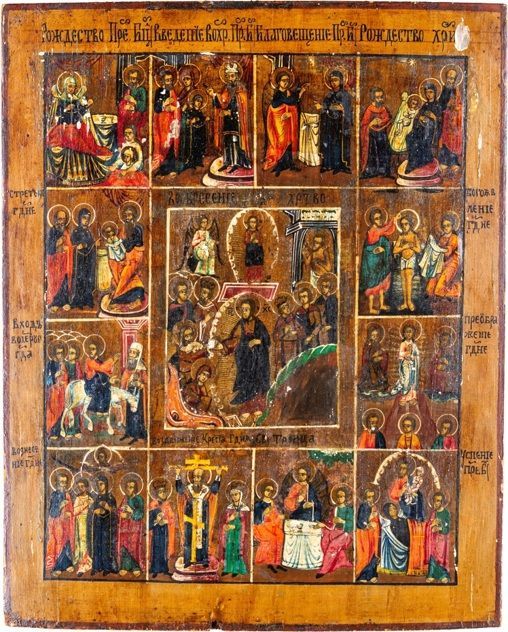
September 1st coincides, in the Byzantine liturgical tradition, with the beginning of the liturgical year. Given the centrality of Easter, which for all Christian Churches of the East and West is the oldest and most important feast and the origin of all other liturgical feasts, Byzantine tradition established this first day of September as the beginning of the liturgical year. It is the month of the final harvests and the beginning of preparation for a new cycle of vegetation; and therefore, it is a propitious time to thank God for his providence toward all creation and especially for the work of its redemption in Christ.
The Byzantine tradition, in its hymn to creation, which is the work of the Lord's hands, begins with the mystery of Christ's death and resurrection, which is seen as a new creation, a restoration of humanity, created in the image of God, to its primitive beauty. Some Byzantine liturgical texts highlight how the praise of all creation flows from the Passion, Death, and Resurrection of Christ, a mystery that renews humanity and all creation.
Regarding the beginning of the new Byzantine liturgical year, the liturgical texts emphasize several aspects. First, the new year is seen as a new creation, and thus the figure of Christ as Creator is highlighted; Christ's blessing on the new year is seen as the action of his creative and provident hand on the world and the Church itself. Some of the liturgical texts echo the Gospel passage from Luke 4:16-22 and also introduce the theme of Christ as teacher for his Church. Therefore, some of the liturgical texts further invoke the Lord's protection for all of creation.
The Fathers of the Church, from East to West, from Ephrem to Basil to Chrysostom to Ambrose and Augustine, contemplating and singing the mystery of creation, sing of Him who is its Creator; The voice of the Fathers becomes the lyre of praise to the Creator and to the work of His hands, of which the first fruit is man, made in His image and likeness. Through the Passion, Death, and Resurrection of Christ, man is restored to his original beauty, led back to peace and reconciliation with his Creator, with creation, and with one another, his brother, as Damascene sings on Easter night: "Day of the Resurrection! Let us radiate joy for this solemn feast and embrace one another. Let us call brothers even those who hate us: let us forgive all things for the sake of the Resurrection, and then let us acclaim: Christ is risen from the dead, by death he trampled down death, and to those in the tombs he has bestowed life."
Happy New Year to our brothers of the Byzantine tradition!
Iscriviti alla nostra Newsletter
News Ordine di San Lazzaro di Gerusalemme – Gran Baliato di Sicilia