PAPA LEONE XIV ACCETTA IL TITOLO DI CONFRATELLO PAPALE DEL COLLEGIO DI SAN GIORGIO PRESSO LA CAPPELLA DI SAN GIORGIO A WINDSOR
PAPA LEONE XIV ACCETTA IL TITOLO DI CONFRATELLO PAPALE DEL COLLEGIO DI SAN GIORGIO PRESSO LA CAPPELLA DI SAN GIORGIO A WINDSOR
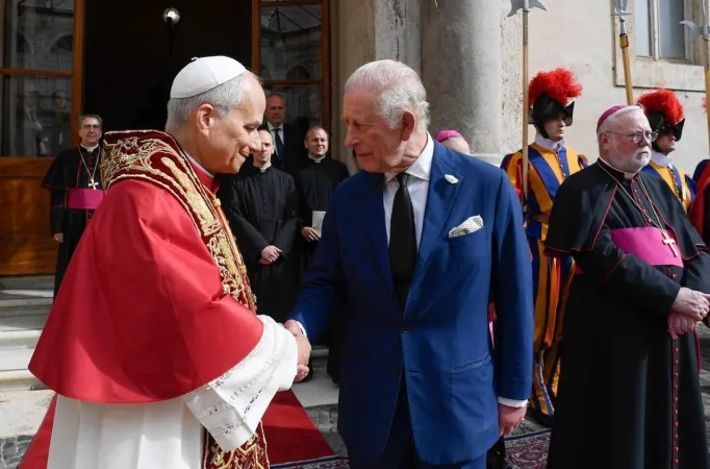
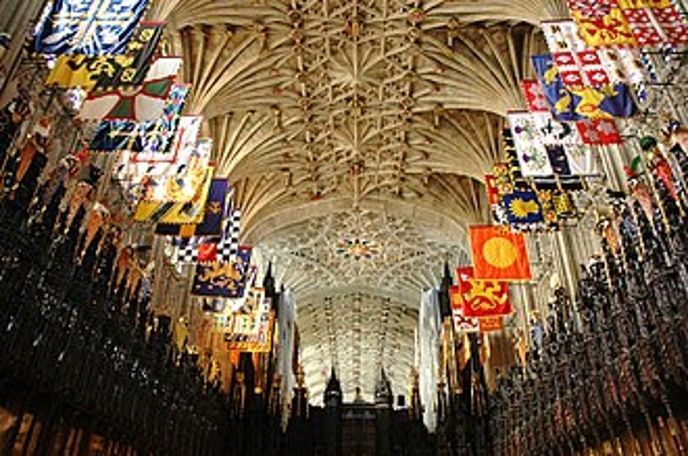
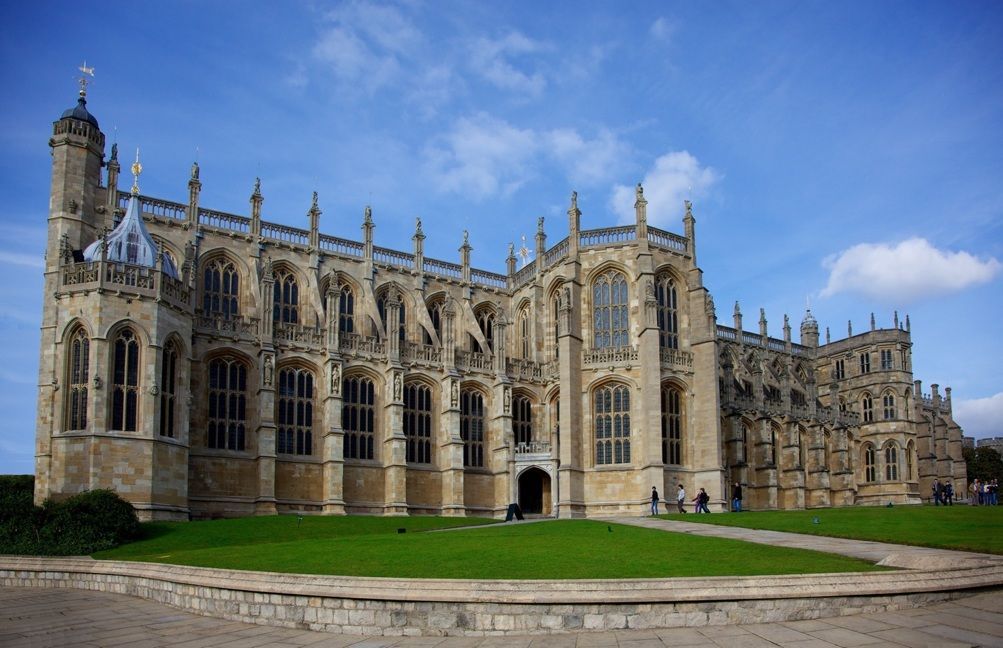
Venerdì 23 ottobre è stato annunciato che il Santo Padre Leone XIV ha accettato il titolo onorario di «Confratello Papale» del Collegio e della Cappella di San Giorgio presso il Castello di Windsor. Il Castello di Windsor è una delle principali residenze reali del Regno Unito e appartiene alla monarchia britannica da oltre mille anni. La Cappella di San Giorgio, posta sotto la diretta giurisdizione del Re, fu fondata nel XIV secolo. Il Collegio di San Giorgio è composto dal Decano e dai Canonici di Windsor, insieme a un gruppo di Cavalieri Militari e altri membri, formando una comunità dedita alla celebrazione quotidiana del culto, alla preghiera per il Re e all'accoglienza dei visitatori.
L'annuncio è stato dato nel primo anniversario della visita di Stato di Loro Maestà il Re Carlo III e della Regina Camilla presso la Santa Sede, avvenuta il 23 ottobre 2025. In quell'occasione, dopo un incontro con il Santo Padre e un momento di preghiera comune nella Cappella Sistina, il Re si è recato presso la Basilica Papale di San Paolo fuori le Mura. Lì, in riconoscimento dei legami storici tra la Basilica e la Corona inglese, il Cardinale Arciprete della Basilica e l'Abate della comunità benedettina ivi residente hanno conferito al Re Carlo il titolo di «Confratello Reale». Per l'evento è stata realizzata una sedia speciale, recante lo stemma del Re e la frase *Ut unum sint* – «Che siano una cosa sola» (Gv 17,21). L'invito rivolto a Papa Leone a divenire «Confratello Papale» presso San Giorgio a Windsor ha inteso rappresentare un analogo segno di comunione spirituale, amicizia ecumenica e fraternità cristiana.
Sempre il 23 ottobre, su iniziativa dell'Ambasciata del Regno Unito presso la Santa Sede, si è tenuta una breve commemorazione della visita reale prima dei Vespri, presso la Basilica di San Paolo fuori le Mura.
Nel corso dell'anno, il Re Carlo prenderà parte a una solenne celebrazione presso la Cappella di San Giorgio a Windsor, durante la quale un'icona a mosaico – donata al sovrano da Papa Leone in occasione della visita di Stato – verrà consacrata nella sua collocazione definitiva all'interno della Cappella.
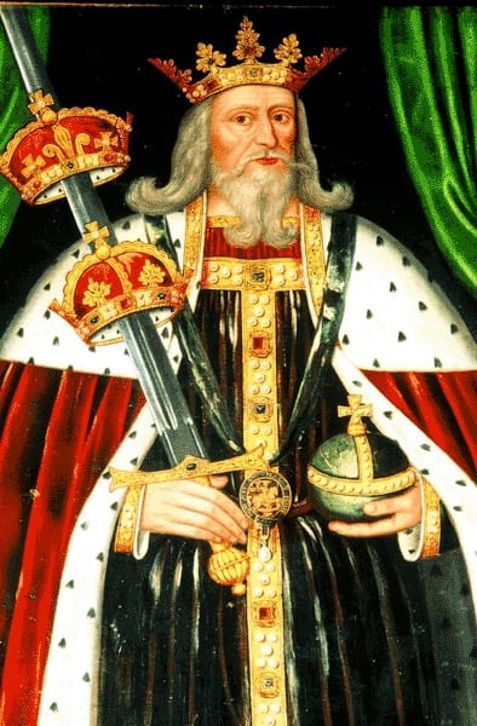
Il College di St. George a Windsor, insieme alla sua cappella – la King’s Free Chapel of St. George – costituisce uno spazio ecclesiale peculiare all'interno della Chiesa d'Inghilterra e nella vita della nazione. Il College fu fondato nel 1348 dal re Edoardo III come controparte spirituale dell'Ordine della Giarrettiera, istituito nello stesso anno. Lo status canonico di questa fondazione religiosa fu confermato nel 1350 da una bolla di Papa Clemente VI, il quale incaricò il vescovo di Winchester – prelato dell'Ordine della Giarrettiera – di redigere gli statuti che avrebbero regolato la vita del College, affinché potesse pienamente realizzare la propria vocazione a «servire il Signore in eterno». L'anno seguente, Papa Clemente esentò il College dall'autorità episcopale, conferendo la giurisdizione ordinaria sulla cappella e sulla sua comunità al Warden (in seguito denominato Dean), rendendolo così direttamente soggetto al Papa, anziché al vescovo diocesano o al metropolita.
Tale assetto mutò bruscamente in seguito alla rottura di Enrico VIII con Roma: il sovrano assunse di fatto il ruolo che era stato del Papa nei confronti di istituzioni come il College di St. George. Di conseguenza, ancora oggi si configura come una «royal peculiar» (un'istituzione ecclesiastica sotto la diretta giurisdizione della Corona) all'interno della Chiesa d'Inghilterra, che risponde al suo Governatore Supremo anziché alle autorità diocesane o provinciali. All'interno della cappella, le vicende precedenti e successive alla Riforma si intrecciano – come accade in gran parte degli antichi edifici ecclesiastici inglesi – ma forse con una forza e una drammaticità uniche. È qui che è sepolto Enrico VIII, insieme ad altri dieci sovrani. A differenza di quanto avviene solitamente nelle chiese inglesi, dove la Riforma, le rivoluzioni e i conflitti mondiali hanno lasciato segni profondi sulle strutture architettoniche, la cappella conserva ancora una notevole quantità di vetrate medievali. Ancora più sorprendente è la presenza di 25 Papi nel grande finestrone occidentale: in un'immagine di grande suggestione, il primo riquadro raffigura San Pietro, ritratto nella parte superiore nelle vesti di primo vescovo di Roma e, in quella inferiore, nelle vesti di discepolo. Alcuni di loro compaiono in altre vetrate all'interno della cappella.
La natura del tutto peculiare del collegio e della sua cappella ne determinò l'esenzione dal *Dissolution of Colleges Act* del 1547, emanato durante il regno di Edoardo VI e noto anche come *Abolition of Chantries Act* (legge per la soppressione delle cappellanie).
Il Collegio di San Giorgio rappresenta un caso unico: è l'unico esempio in Inghilterra di fondazione collegiale medievale legata alle cappellanie ad essere sopravvissuto alla Riforma sostanzialmente intatto, pur avendo perso ogni legame diretto con il Papa. La cappella, nata essa stessa come luogo destinato alle messe di suffragio, ha conservato al suo interno le diverse cappellanie originarie; due di esse, peraltro, sono spazi talmente ristretti da poter accogliere un solo sacerdote. Mentre la preghiera per i defunti veniva messa al bando in tutta la Chiesa d'Inghilterra, nella Cappella di San Giorgio essa rimase un obbligo statutario, e tale è rimasta fino ad oggi.
Naturalmente, furono introdotte riforme nella liturgia e nelle cerimonie; nel corso del tempo, ad esempio, le numerose commemorazioni dei defunti (*obits*) – che un tempo prevedevano preghiere per le anime di persone legate al collegio – sono state ridotte a quattro occasioni nel corso dell'anno. In tal modo, la preghiera per i fondatori e i benefattori ha potuto continuare: persone «la cui generosità ha istituito il culto di Dio in questo luogo, ha edificato e adornato questa Cappella, e ha sostenuto la crescita e il benessere del Collegio nel corso dei secoli».
In seguito alla visita di Stato di Carlo III, anche Papa Clemente VI è stato aggiunto all'elenco dei fondatori e benefattori, in segno di gratitudine per il suo contributo.
POPE LEO XIV ACCEPTS TITLE OF PAPAL CONFRATER OF ST GEORGE’S CHAPEL, WINDSOR
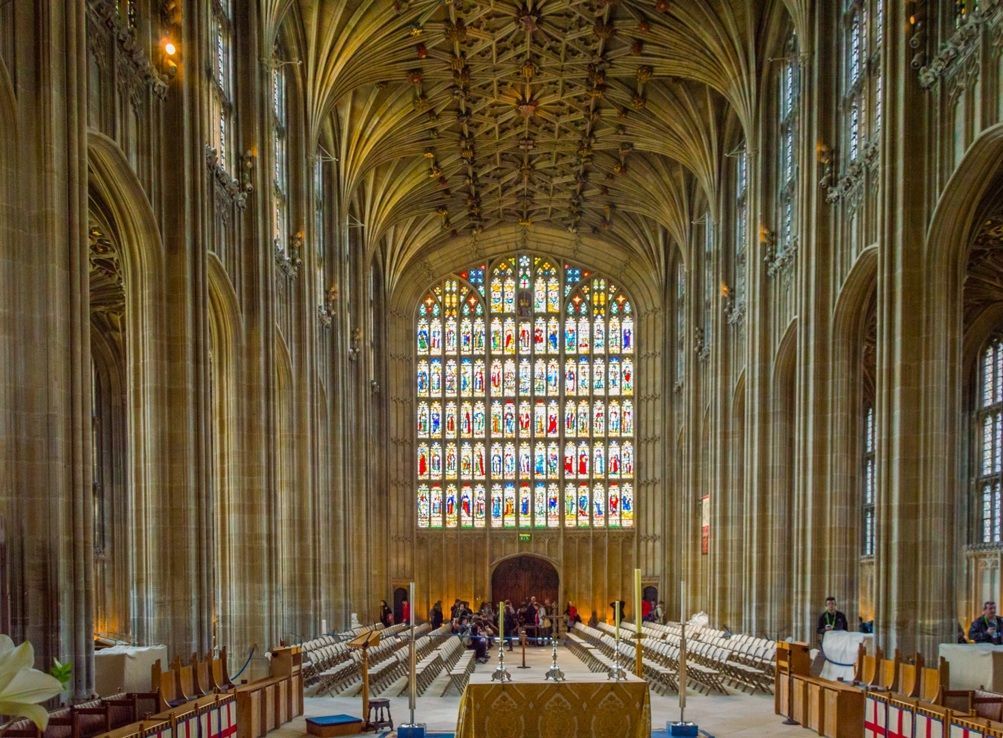
On Friday 23 October, it was announced that the Holy Father Leo XIV had accepted the honorary title of Papal Confrater of the College and Chapel of St George at Windsor Castle. Windsor Castle is one of the principal royal residences in the United Kingdom and has belonged to the British monarchy for over a thousand years. St George’s Chapel, which is under the direct jurisdiction of the King, was founded in the fourteenth century. The College of St George consists of the Dean and Canons of Windsor, along with a group of Military Knights and others, constituting a community committed to offering daily worship, prayers for the King and hospitality to visitors.
The announcement was made on the first anniversary of the state visit of Their Majesties King Charles III and Queen Camilla to the Holy See on 23 October 2025. On that occasion, following a meeting with the Holy Father, and prayer together in the Sistine Chapel, the King travelled to the Papal Basilica of St Paul outside the Walls. There, in recognition of the historic links between the basilica and the English Crown, the Cardinal Archpriest of the Basilica and the Abbot of its Benedictine community conferred the title of Royal Confrater on King Charles. A special chair was commissioned for the occasion, bearing the King’s coat of arms, together with the phrase, Ut unum sint – ‘That they may be one’ (Jn 17:21). The reciprocal invitation to Pope Leo to become Papal Confrater of St George’s Windsor was intended as a similar sign of spiritual fellowship, ecumenical friendship and Christian fraternity.
Also on 23 October, organised by the United Kingdom Embassy to the Holy See, a short commemoration of the royal visit took place before Vespers at the Basilica of St Paul outside the Walls. Later this year, King Charles will attend a special service at St George’s Chapel, Windsor, when a mosaic icon presented to him by Pope Leo during the state visit, will be solemnly consecrated in its permanent location in the Chapel.
St. George’s College at Windsor, together with its chapel—the King’s Free Chapel of St. George—constitutes a unique ecclesiastical space within the Church of England and the life of the nation. The College was founded in 1348 by King Edward III as the spiritual counterpart to the Order of the Garter, which was established in the same year. The canonical status of this religious foundation was confirmed in 1350 by a papal bull from Pope Clement VI, who tasked the Bishop of Winchester—the Prelate of the Order of the Garter—with drafting the statutes to govern the life of the College, ensuring it could fully realize its vocation to "serve the Lord forever." The following year, Pope Clement exempted the College from episcopal authority, granting ordinary jurisdiction over the chapel and its community to the Warden (later known as the Dean), thereby making it directly subject to the Pope, rather than to a diocesan bishop or a metropolitan.
This arrangement changed abruptly following Henry VIII’s break with Rome; the sovereign effectively assumed the role previously held by the Pope in relation to institutions such as St. George’s College. Consequently, it remains to this day a "royal peculiar"—an ecclesiastical institution under the direct jurisdiction of the Crown—within the Church of England, answering to its Supreme Governor rather than to diocesan or provincial authorities. Within the chapel, the history from both before and after the Reformation remains intertwined—as is the case in many ancient English ecclesiastical buildings—though perhaps with a unique intensity and dramatic quality. It is here that Henry VIII is buried, alongside ten other sovereigns. Unlike most English churches—where the Reformation, various revolutions, and world wars have left deep marks on the architectural fabric—this chapel still retains a remarkable collection of medieval stained glass. Even more striking is the presence of 25 popes in the great west window; one particularly evocative panel depicts Saint Peter—shown in the upper section as the first Bishop of Rome, and in the lower section as a disciple. Several other popes also appear in other windows throughout the chapel.
The unique nature of the college and its chapel led to their exemption from the *Dissolution of Colleges Act* of 1547—enacted during the reign of Edward VI and also known as the *Abolition of Chantries Act*.
St. George’s College is a unique case: it is the only example in England of a medieval collegiate foundation linked to chantries that has survived the Reformation essentially intact, despite having lost all direct ties to the Pope. The chapel—originally established as a site for intercessory masses for the dead—has preserved its various original chantries; two of these spaces are so small that they can accommodate only a single priest. While prayers for the dead were banned throughout the Church of England, at St. George’s Chapel they remained a statutory obligation—a requirement that persists to this day.
Naturally, reforms were introduced regarding the liturgy and ceremonial practices; Over time, for instance, the numerous commemorations of the deceased (*obits*)—which once included prayers for the souls of individuals with ties to the College—have been reduced to four occasions throughout the year. In this way, prayers for the founders and benefactors have been able to continue: people "whose generosity established the worship of God in this place, built and adorned this Chapel, and supported the growth and well-being of the College over the centuries."
Following the state visit of Charles III, Pope Clement VI was also added to the list of founders and benefactors, as a gesture of gratitude for his contribution.
Iscriviti alla nostra Newsletter
News Ordine di San Lazzaro di Gerusalemme – Gran Baliato di Sicilia