PERSONAGGI CELEBRI LAZZARITI CONTE HANS AXEL VON FERSEN
PERSONAGGI CELEBRI LAZZARITI CONTE HANS AXEL VON FERSEN
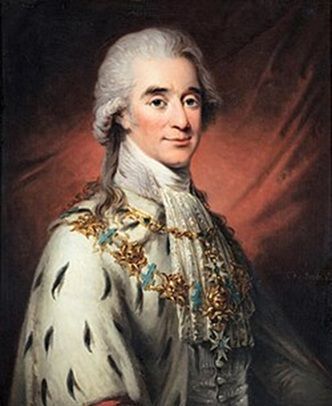
Il conte Hans Axel von Fersen (Stoccolma, 4 settembre 1755 – Stoccolma, 20 giugno 1810), è stato un diplomatico e militare svedese, Generallöjtnant (Tenente generale) nel Regio Esercito svedese, Signore del Regno e statista.
Fu educato in casa, al Carolinum a Brunswick, a Torino e a Strasburgo. Nel 1779 entrò al servizio militare francese con il reggimento Royal-Bavière. Nel 1785 fu creato colonnello proprietario del reggimento Royal Suédois ed alla fine della rivoluzione americana divenne un membro della Società dei Cincinnati fin dalla sua fondazione.
Fersen dal 1785 si trasferì definitivamente in Francia. Fino alla rivoluzione francese rimase a fianco della famiglia reale, prima a Versailles poi alle Tuileries a Parigi.
Anche dopo, cercò invano di aiutare i reali negli anni più bui della rivoluzione, per esempio convincendo il duca di Brunswisk a emettere il famoso proclama, ispirato da Fersen stesso col consenso della regina, e scritto da nobili emigrati, in cui si minaccia la distruzione di Parigi in caso di minaccia alle vite dei reali, e invano tentò di salvare Maria Antonietta dalla ghigliottina, sino a tornare in incognito nel 1792, a rischio della vita, a fianco della regina ormai prigioniera del suo popolo, dopo la fallita fuga.
Egli s'impegnò strenuamente contro eventuali influenze giacobine in Svezia e in Europa. Il conte convinse il re di Svezia a adoperarsi negli anni seguenti (1793-1809) per aiutare i movimenti reazionari e controrivoluzionari francesi e gli emigrati a rovesciare il governo rivoluzionario, ma senza successo, e sostenendo finanziariamente i realisti interni dopo il colpo di stato del 9 termidoro nel 1794 (i monarchici nella Convenzione termidoriana, gli insorti di vendemmiaio, il club di Clichy e la resistenza vandeana), nonché a cercare di tessere alleanze tra Regno Unito, Svezia, Regno di Prussia e Impero russo nelle varie coalizioni delle guerre antifrancesi, prima contro la Repubblica e poi contro l'Impero di Napoleone, onde portare Luigi XVIII sul trono e rovesciare il nuovo regime nato dalla rivoluzione, il quale in segno di riconoscenza lo ammise come membro onorario (essendo lui di religione luterana) nell’Ordine di San Lazzaro di Gerusalemme.
Quando Gustavo IV Adolfo perse il trono nel 1809, Fersen lasciò gli incarichi ufficiali. Quell'anno, Gustavo IV, dopo aver perso la Finlandia nella guerra contro l'Impero russo fu costretto all'abdicazione da un colpo di Stato militare, in favore di suo zio Carlo XIII, già reggente per il nipote alcuni anni prima e ora richiamato onde firmare la Costituzione liberale e garantire il passaggio. Non solo Gustavo IV, ma anche suo figlio ed erede, Gustavo di Vasa, principe ereditario legittimo, furono immediatamente esclusi dalla successione per decisione degli Stati Generali svedesi, i quali offrirono la corona al duca reggente Carlo.
Il 20 giugno 1810 Fersen fu assassinato, linciato da una folla inferocita, durante il corteo funebre del principe Carlo Augusto. Durante il funerale ci furono tafferugli e la carrozza di Fersen fu presa d'assalto dalla folla che lo accusava della morte del principe.
Fersen fu sepolto nella chiesa di Ljung, nell'Östergötland, nella cappella funeraria di famiglia.
FAMOUS LAZZARITES COUNT HANS AXEL VON FERSEN
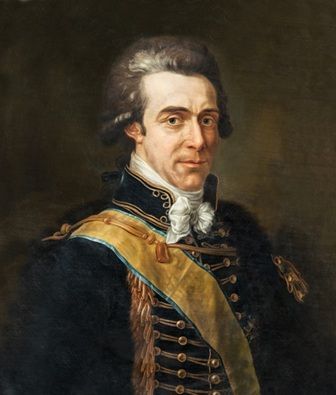
Count Hans Axel von Fersen (Stockholm, September 4, 1755 – Stockholm, June 20, 1810) was a Swedish diplomat and soldier, Generallöjtnant (Lieutenant General) in the Royal Swedish Army, Lord of the Realm, and statesman.
He was educated at home, at the Carolinum in Brunswick, in Turin, and in Strasbourg. In 1779, he entered the French military service with the Royal Bavarian Regiment. In 1785, he was created Colonel Proprietor of the Royal Suédois Regiment, and at the end of the American Revolution, he became a member of the Society of the Cincinnati from its founding.
Fersen moved permanently to France in 1785. Until the French Revolution, he remained close to the royal family, first at Versailles and then at the Tuileries in Paris.
Even later, he tried in vain to help the royals during the darkest years of the revolution, for example by convincing the Duke of Brunswick to issue the famous proclamation, inspired by Fersen himself with the queen's consent and written by émigré nobles, threatening the destruction of Paris if the lives of the royals were threatened. He also tried in vain to save Marie Antoinette from the guillotine, until he returned incognito in 1792, risking his life, to the side of the queen, now a prisoner of her people, after her failed escape.
He fought strenuously against any Jacobin influence in Sweden and Europe. The count convinced the king of Sweden to work in the following years (1793–1809) to aid the French reactionary and counterrevolutionary movements and the émigrés in overthrowing the revolutionary government, but without success. He also financially supported the domestic royalists after the coup d'état of 9 Thermidor in 1794 (the monarchists in the Thermidorian Convention, the Vendémiaire insurgents, the Clichy Club, and the Vendée resistance). He also attempted to forge alliances between the United Kingdom, Sweden, the Kingdom of Prussia, and the Russian Empire in the various coalitions of the anti-French wars, first against the Republic and then against Napoleon's Empire, in order to bring Louis XVIII to the throne and overthrow the new regime born of the revolution. In gratitude, Louis XVIII (being a Lutheran) was admitted as an honorary member of the Order of Saint Lazarus of Jerusalem.
When Gustav IV Adolf lost the throne in 1809, Fersen resigned from his official duties. That year, Gustav IV, after losing Finland in the war against the Russian Empire, was forced to abdicate in a military coup in favor of his uncle Charles XIII, who had been regent for his nephew a few years earlier and was now recalled to sign the liberal Constitution and ensure the transition. Not only Gustav IV, but also his son and heir, Gustav of Vasa, the legitimate crown prince, were immediately excluded from the succession by decision of the Swedish States General, who offered the crown to the regent Duke Charles.
On June 20, 1810, Fersen was murdered, lynched by an enraged mob, during the funeral procession of Prince Charles August. During the funeral, there were scuffles, and Fersen's carriage was attacked by the crowd, who accused him of the prince's death.
Fersen was buried in the family chapel in Ljung Church, Östergötland.
Iscriviti alla nostra Newsletter
News Ordine di San Lazzaro di Gerusalemme – Gran Baliato di Sicilia