PERSONAGGI CELEBRI LAZZARITI GUSTAVO IV ADOLFO DI SVEZIA
PERSONAGGI CELEBRI LAZZARITI GUSTAVO IV ADOLFO DI SVEZIA
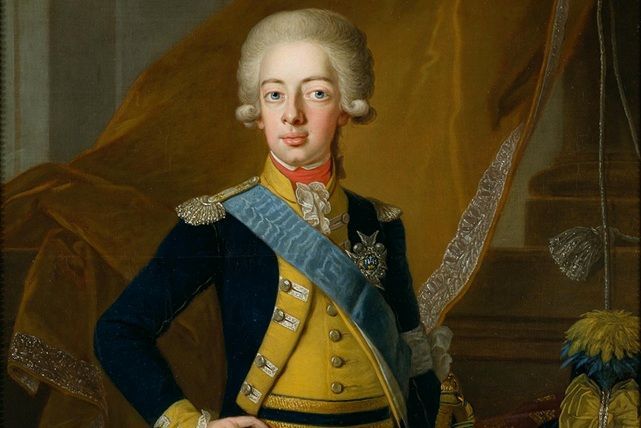
Gustavo Adolfo nacque a Stoccolma il 1° novembre 1778.
All'assassinio di Gustavo III, a marzo del 1792, Gustavo Adolfo gli succedette sul trono di Svezia all'età di 14 anni, sotto la reggenza dello zio, Carlo, duca di Södermanland.
Il re oppose una strenua guerra al giacobinismo che andava diffondendosi in Europa dalla Rivoluzione francese, al punto che divenne un fervido sostenitore della restaurazione e per questo motivo Luigi XVIII di Francia lo insignì come cavaliere onorario (in quanto luterano e non cattolico) dell’Ordine di San Lazzaro di Gerusalemme.
Nel 1805 Gustavo Adolfo partecipò alla Terza Coalizione contro Napoleone. La sua personale campagna di opposizione alla Francia non portò a grandi risultati e, anzi, favorì l'invasione della Pomerania svedese da parte dell'esercito napoleonico. L'incapacità di gestione delle faccende diplomatiche di Gustavo Adolfo portò alla sua deposizione grazie a un complotto di ufficiali dell'esercito. Il 13 marzo 1809 sette dei cospiratori fecero irruzione negli appartamenti reali, arrestarono il re e lo imprigionarono nel castello di Gripsholm; lo zio Carlo venne persuaso ad accettare temporaneamente la guida di un governo provvisorio, che venne proclamato quel giorno stesso; venne proclamata anche una dieta, solennemente approvata dalla rivoluzione.
Il 29 marzo Gustavo IV Adolfo, al fine di preservare la corona per il figlio, abdicò volontariamente, ma il 19 maggio gli stati generali, pressati dall'esercito svedese, dichiararono che non solo Gustavo, ma tutta la sua famiglia dovessero essere esclusi dal trono di Svezia. Il 5 giugno il duca reggente (Carlo, lo zio di Gustavo) venne proclamato re con il nome di Carlo XIII, dopo aver sottoscritto una nuova costituzione liberale (1809), che venne ratificata dall'assemblea parlamentare lo stesso giorno. Nel dicembre dello stesso anno Gustavo e la sua famiglia vennero esiliati in Germania.
Gustavo si stabilì nel cantone di San Gallo in Svizzera dove visse gli ultimi anni della sua vita in un piccolo ostello e in grande indigenza; qui morì il 7 febbraio 1837. Per ordine del re Oscar II di Svezia il suo corpo venne riportato in Svezia e sepolto nella chiesa di Riddarholmskyrkan.
FAMOUS LAZZARITES GUSTAVE IV ADOLPH OF SWEDEN
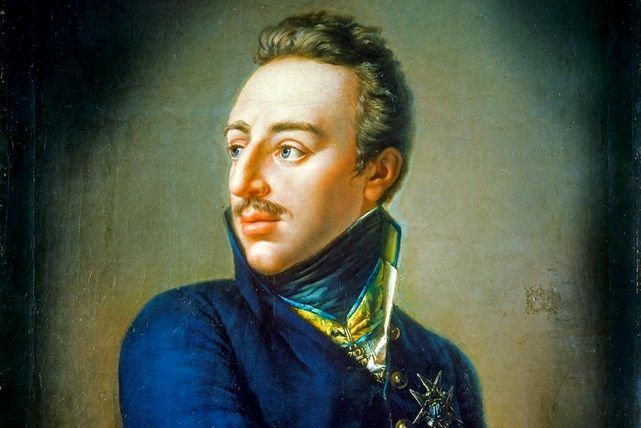
Gustavus Adolphus was born in Stockholm on November 1, 1778.
Upon the assassination of Gustav III in March 1792, Gustavus Adolphus succeeded him to the throne of Sweden at the age of 14, under the regency of his uncle, Charles, Duke of Södermanland.
The king fought a strenuous war against the Jacobinism that had been spreading across Europe since the French Revolution, to the point that he became a fervent supporter of the Restoration. For this reason, Louis XVIII of France awarded him an honorary knight (as a Lutheran, not a Catholic) of the Order of Saint Lazarus of Jerusalem.
In 1805, Gustavus Adolphus participated in the Third Coalition against Napoleon. His personal campaign of opposition to France did not achieve great results and, in fact, encouraged the invasion of Swedish Pomerania by Napoleon's army. Gustavus Adolphus's inability to manage diplomatic affairs led to his deposition through a conspiracy by army officers. On March 13, 1809, seven of the conspirators broke into the royal apartments, arrested the king, and imprisoned him in Gripsholm Castle. His uncle Charles was persuaded to temporarily accept the leadership of a provisional government, which was proclaimed that same day; a Diet was also proclaimed, solemnly approved by the revolution.
On March 29, Gustav IV Adolphus, in order to preserve the crown for his son, voluntarily abdicated, but on May 19, the Estates General, under pressure from the Swedish army, declared that not only Gustavus, but his entire family, should be excluded from the throne of Sweden. On June 5, the Duke Regent (Gustav's uncle Charles) was proclaimed king under the name Charles XIII, after signing a new liberal constitution (1809), which was ratified by the Parliamentary Assembly that same day. In December of that same year, Gustav and his family were exiled to Germany.
Gustav settled in the canton of St. Gallen in Switzerland, where he lived his final years in a small hostel and in great poverty. He died there on February 7, 1837. By order of King Oscar II of Sweden, his body was returned to Sweden and buried in Riddarholmskyrkan.
Iscriviti alla nostra Newsletter
News Ordine di San Lazzaro di Gerusalemme – Gran Baliato di Sicilia