MEDITAZIONE PER IL VENERDI’ SANTO DI SUA EMINENZA L’ARCIVESCOVO ANTONII, ECLJ, METROPOLITA DELL’EUROPA OCCIDENTALE E CENTRALE DELLA CHIESA ORTODOSSA BULGARA PATRIARCATO DI BULGARIA CAPPELLANO DEL GRAN
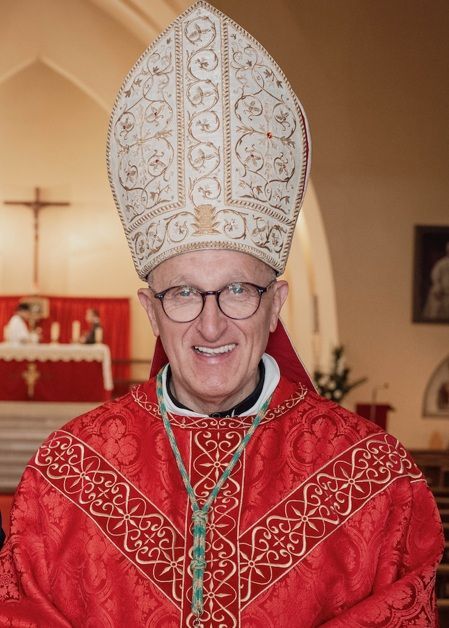
MEDITAZIONE PER IL VENERDI’ SANTO DI SUA EMINENZA L’ARCIVESCOVO ANTONII, ECLJ, METROPOLITA DELL’EUROPA OCCIDENTALE E CENTRALE DELLA CHIESA ORTODOSSA BULGARA PATRIARCATO DI BULGARIA CAPPELLANO DEL GRAN BALIATO DI SICILIA
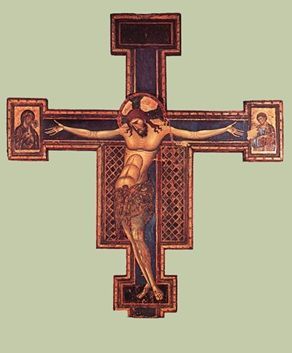
(Christus patiens di Giunta Pisano, 1250-1254, Museo Pepoli di Trapani)
„Ci hai redenti dal giuramento della legge con il tuo sangue onesto, inchiodato alla croce e trafitto da una lancia, hai riversato l’immortalità sugli uomini, nostro Salvatore, gloria a Te...“
(Tropario della conclusione, cap. 4)
Carissimi Confratelli e Consorelle dell’Ordine di San Lazzaro di Gerusalemme.
il Venerdì Santo è il giorno più triste e difficile della storia della Chiesa e di tutti i cristiani: il giorno in cui il Figlio di Dio fu giudicato dagli uomini, e in realtà gli uomini furono giudicati da Lui. Quel giorno Cristo fu interrogato, accusato, condannato e consegnato a morte; la folla, accecata dalla malizia, gridò: „Crocifiggilo, crocifiggilo!“ (Lc 23,21), e Ponzio Pilato, lavandosi le mani davanti al popolo, disse: „Sono innocente del sangue di questo Giusto“ (Mt 27,24), ed emise la sentenza di crocifiggere l’Innocente. Gesù subì insulti, flagelli, sputi, una corona di spine e sofferenze disumane, affinché si compisse quanto era stato detto dal profeta: „Egli è stato trafitto per i nostri delitti, schiacciato per le nostre iniquità“ (Is 53,5).
Questo è il giorno in cui l’Agnello di Dio, „che toglie il peccato del mondo“ (Gv 1,29), fu innalzato sulla Croce, offerto in sacrificio per l’intera umanità. E la creazione stessa non poté resistere a questo mistero: „Dall’ora sesta fino all’ora nona si fece buio su tutta la terra“ (Mt 27,45), „ed ecco, il velo del tempio si squarciò in due, da cima a fondo, e la terra tremò“ (Mt 27,51). L’Antico Testamento passò, venne il Nuovo Testamento, le profezie si adempirono, perché il Creatore di tutte le cose soffrì per mano della Sua creazione.
Nero, cupo, sconvolgente è questo giorno – il giorno in cui il Figlio di Dio morì, „e, gridando a gran voce, spirò” (Mc 15:37), crocifisso tra i ladroni, „annoverato tra i malfattori” (Is 53:12). Giuseppe d’Arimatea chiese il suo corpo e lo depose „in un sepolcro nuovo, scavato nella roccia” (Mt 27:60), e una grande pietra fu rotolata davanti all’ingresso e fu posta una guardia. In questo giorno la Chiesa non celebra la Santa Liturgia, perché l’Agnello stesso è stato offerto. Il suo canto funebre risuona nei templi, e noi ci troviamo davanti al mistero del sepolcro con tremore e lacrime.
Ma il Venerdì Santo, fratelli e sorelle, non è solo un giorno sul calendario nell’ultima settimana di Quaresima; è la nostra vergogna e la nostra sconfitta. Perché nel tradimento di Giuda Iscariota c’è un po’ dell’anima di ognuno di noi. Se non fosse così, saremmo senza peccato. Abbiamo tutti venduto Cristo – non con monete d’argento, ma con compromessi, con paura, con l’accordo con il male e l’ingiustizia. Il Vangelo testimonia con timore: „E dopo il boccone, Satana entrò in lui“ (Giovanni 13:27). Dopo il boccone dato da Cristo stesso nell’Ultima Cena; dopo l’intimità, dopo l’amore, dopo la comunione – e quale orrore più grande di questo: assaporare la luce, vedere la Vita davanti a sé e scegliere l’oscurità e la morte. E questo tradimento comportò un’apostasia generale; „allora tutti i discepoli, abbandonatolo, fuggirono“ (Mt 26:56). Lui – il Creatore e Salvatore – fu sputacchiato e percosso, umiliato e deriso, e Lui „oltraggiato, non rispondeva con oltraggi; soffrendo, non minacciava“ (1 Piet 2:23).
E qui ognuno di noi è smascherato. Perché cosa dirai nella tua giustificazione, quando per ogni insulto ricambi l’insulto, per ogni male ricambi il male, quando odi e non perdoni? Ogni volta che ricambi il male con il male, crocifiggi di nuovo Cristo nel tuo cuore. Ed Egli, appeso alla Croce, prega: „Padre, perdonali, perché non sanno quello che fanno“ (Lc 23,34). La sofferenza di Cristo non era illusoria; nel Getsemani Egli „cominciò a provare tristezza e angoscia“ e disse: „La mia anima è triste fino alla morte“ (Mt 26,37-38). La morte – questa ferita più profonda dell’esistenza, questa distanza da Dio – Egli l’ha accettata volontariamente, e perciò quel grido terribile è strappato dalla Croce: „Dio mio, Dio mio, perché mi hai abbandonato?“ (Mt 27,46). Questa non è disperazione, ma rivelazione dell’orrore della morte, che Cristo accetta per sconfiggerla dall’interno e dare a ciascuno di noi la possibilità della salvezza.
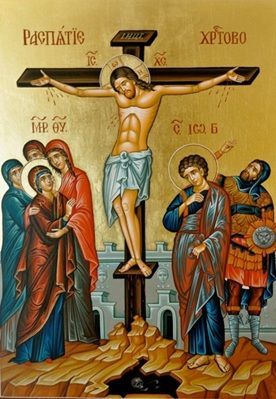
Eppure la speranza non svanisce. Perché sulla Croce, accanto a Dio, pende anche il Ladrone saggio. Quando molti furono ingannati, ed egli credette; quando l’altro lo bestemmiò, questi confessò: „Noi siamo giustamente condannati… ma egli non ha fatto nulla di male“ (Lc 23,41) e con franchezza disse: „Signore, ricordati di me quando entrerai nel tuo regno!“ (Lc 23,42). E udì la risposta, che è speranza per tutti coloro che si pentono: „Oggi sarai con me in paradiso“ (Lc 23,43). Se non fosse stato per questa confessione in mezzo alle tenebre, la terra sarebbe diventata un inferno; ma attraverso il pentimento del Ladrone, le porte del paradiso si sono aperte anche in quell’ora difficile della Croce.
Portare la Croce di Cristo è Portatore di Cristo (Χριστοφόρος) (cfr 1 Cor 10,24). Il Signore stesso ci ha detto: „Se qualcuno vuol venire dietro a me, rinneghi se stesso, prenda la sua croce e mi segua“ (Mc 8,34). Più Cristo porti dentro di te, più sarai incompreso e perseguitato; „se hanno perseguitato me, perseguiteranno anche voi“ (Gv 15,20). Ma è proprio qui che sta la vittoria: quando ti maledicono, benedici; quando ti picchiano, perdona; quando ti odiano, ama, perché il Signore ci ha comandato: „Amate i vostri nemici, benedite coloro che vi maledicono“ (Mt 5,44). Questa è la via del Golgota, la via del Venerdì Santo, la via che attraverso la sofferenza conduce alla Resurrezione.
Oggi, Venerdì Santo, la Chiesa canta di Cristo nel sepolcro. Davanti a noi c’è l’immagine della Sacra Sindone, l’immagine del Salvatore deposto nel sepolcro. Ci accostiamo al culto con umiltà e lacrime, come alla sepoltura di una persona cara. Passiamo sotto la Sua tomba non per abitudine, ma come confessione del nostro desiderio di morire al peccato e vivere per Dio; perché „se siamo morti con Lui, vivremo anche con Lui“ (2 Tm 2,11). Il fiore che accettiamo come benedizione non è una semplice decorazione: è una silenziosa testimonianza che il sepolcro non rimarrà chiuso, che la sofferenza non è l’ultima parola.
Cari fratelli e sorelle nel Signore,
Oggi è buio, ma „la luce splende nelle tenebre e le tenebre non l’hanno vinta“ (Gv 1,5). Oggi è silenzio, ma Dio non muore: Egli „è la via, la verità e la vita“ (Gv 14,6) e attraverso la Sua morte è passato alla vita per portarci attraverso. E cantiamo con riverenza: „Adoriamo, o Cristo, le tue sofferenze; mostraci anche la tua gloriosa Risurrezione“.
Amen.
+ Antonii, ECLJ
Metropolita dell’Europa Occidentale e Centrale
della Chiesa Ortodossa Bulgara
MEDITATION FOR THE HOLY FRIDAY OF HIS EMINENCE ARCHBISHOP ANTONII, ECLJ, METROPOLITAN OF WESTERN AND CENTRAL EUROPE OF THE BULGARIAN ORTHODOX CHURCH PATRIARCHATE OF BULGARIA CHAPLAIN OF THE GRAND BAILIWICK OF SICILY
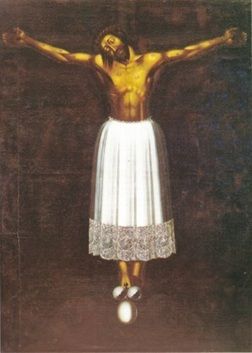
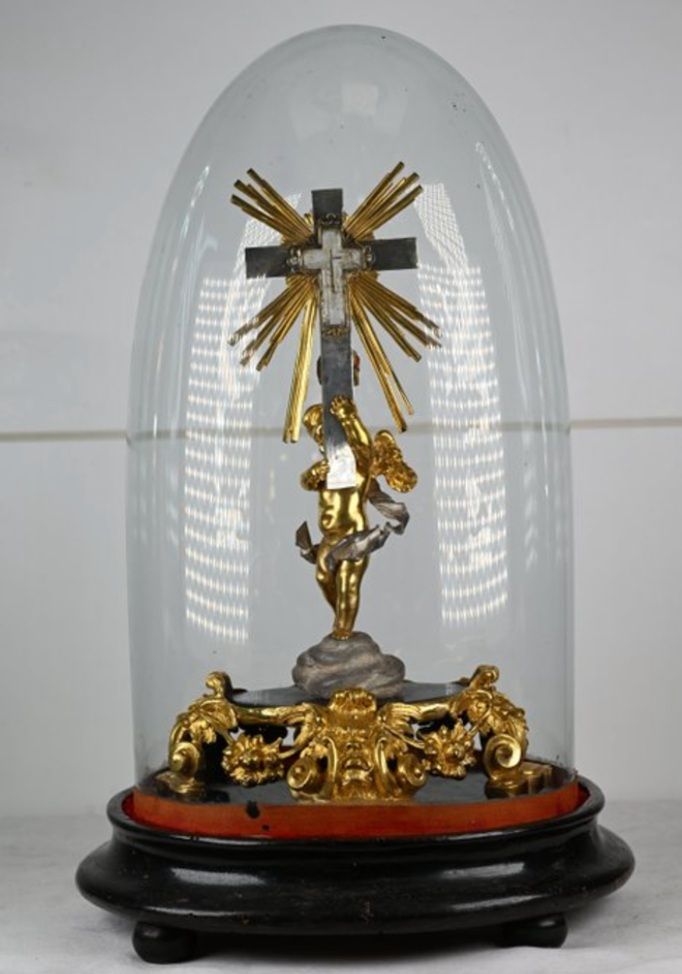
(Christ of Burgos, Don Juan de Palazìn, 1695, Church of St. John the Evangelist of Scicli - RG)
"You have redeemed us from the oath of the law with your honest blood, nailed to the cross and pierced by a lance, you have poured out immortality upon men, our Savior, glory to You..."
(Troparion of the Conclusion, chap. 4)
Dear Brothers and Sisters of the Order of Saint Lazarus of Jerusalem,
Good Friday is the saddest and most difficult day in the history of the Church and of all Christians: the day on which the Son of God was judged by men, and in reality men were judged by Him. That day, Christ was interrogated, accused, condemned, and handed over to death; the crowd, blinded by malice, cried out: "Crucify him, crucify him!" (Luke 23:21), and Pontius Pilate, washing his hands before the people, said: "I am innocent of the blood of this Just One" (Matthew 27:24), and passed sentence on the Innocent One to be crucified. Jesus endured insults, scourgings, spitting, a crown of thorns, and inhuman suffering, so that what the prophet had said would be fulfilled: "But he was pierced for our transgressions, he was crushed for our iniquities" (Isaiah 53:5).
This is the day on which the Lamb of God, "who takes away the sin of the world" (John 1:29), was raised on the Cross, offered as a sacrifice for all humanity. And creation itself could not resist this mystery: "From the sixth hour until the ninth hour there was darkness over all the land" (Mt 27:45), "and behold, the veil of the temple was torn in two from top to bottom, and the earth shook" (Mt 27:51). The Old Testament passed, the New Testament came, the prophecies were fulfilled, because the Creator of all things suffered at the hands of His creation.
Black, gloomy, shocking is this day – the day on which the Son of God died, "and, crying with a loud voice, yielded up the ghost" (Mk 15:37), crucified among the thieves, "numbered with the transgressors" (Is 53:12). Joseph of Arimathea asked for his body and placed it "in a new tomb, hewn out of rock" (Matthew 27:60), and a large stone was rolled in front of the entrance and a guard was posted. On this day, the Church does not celebrate the Holy Liturgy, because the Lamb himself has been offered. His funeral song resounds in the temples, and we stand before the mystery of the tomb with trembling and tears.
But Good Friday, brothers and sisters, is not just a day on the calendar in the last week of Lent; it is our shame and our defeat. For in the betrayal of Judas Iscariot lies a little of the soul of each of us. If it were not so, we would be without sin. We have all sold Christ—not for silver coins, but for compromise, for fear, for agreement with evil and injustice. The Gospel fearfully testifies: "And after the morsel, Satan entered into him" (John 13:27). After the morsel given by Christ Himself at the Last Supper; after intimacy, after love, after communion—and what greater horror could there be than this: to taste the light, to see Life before oneself, and to choose darkness and death. And this betrayal brought about a general apostasy; "then all the disciples abandoned Him and fled" (Matthew 26:56). He—the Creator and Savior—was spit upon and beaten, humiliated and mocked, and He "was reviled, yet He did not revile in return; and when He suffered, He did not threaten" (1 Peter 2:23).
And here each of us is unmasked. For what will you say in your justification, when for every insult you repay insult, for every evil you repay evil, when you hate and do not forgive? Every time you repay evil with evil, you crucify Christ anew in your heart. And He, hanging on the Cross, prays: "Father, forgive them, for they know not what they do" (Lk 23:34). Christ's suffering was not illusory; in Gethsemane He "began to be sorrowful and anguished" and said: "My soul is exceedingly sorrowful, even to death" (Mt 26:37-38). Death—this deepest wound of existence, this distance from God—He accepted voluntarily, and therefore that terrible cry is torn from the Cross: "My God, my God, why have you forsaken me?" (Mt 27:46). This is not despair, but a revelation of the horror of death, which Christ accepts to defeat it from within and give each of us the possibility of salvation.
Yet hope does not fade. For on the Cross, beside God, also hangs the Wise Thief. When many were deceived, he believed; when the other blasphemed him, he confessed: "We are justly condemned... but he has done nothing wrong" (Luke 23:41) and frankly said: "Lord, remember me when you come into your kingdom!" (Luke 23:42). And he heard the answer, which is hope for all who repent: "Today you will be with me in paradise" (Luke 23:43). Had it not been for this confession in the midst of darkness, the earth would have become hell; But through the Thief's repentance, the gates of paradise were opened even in that difficult hour of the Cross.
Carrying the Cross of Christ is Christ-bearing (Christ-bearer) (cf. 1 Cor 10:24). The Lord himself told us: "If anyone would come after me, let him deny himself and take up his cross and follow me" (Mk 8:34). The more Christ you carry within you, the more misunderstood and persecuted you will be; "if they persecuted me, they will also persecute you" (Jn 15:20). But this is precisely where victory lies: when they curse you, bless; when they beat you, forgive; when they hate you, love, for the Lord commanded us: "Love your enemies, bless those who curse you" (Mt 5:44). This is the path to Golgotha, the path of Good Friday, the path that through suffering leads to the Resurrection.
Today, Good Friday, the Church sings of Christ in the tomb. Before us is the image of the Holy Shroud, the image of the Savior laid in the tomb. We approach worship with humility and tears, as at the burial of a loved one. We pass beneath His tomb not out of habit, but as a confession of our desire to die to sin and live for God; for "if we have died with Him, we will also live with Him" (2 Tim 2:11). The flower we accept as a blessing is not a mere decoration: it is a silent testimony that the tomb will not remain closed, that suffering is not the last word.
Dear brothers and sisters in the Lord,
Today is dark, but "the light shines in the darkness, and the darkness has not overcome it" (Jn 1:5). Today there is silence, but God does not die: He "is the way, the truth, and the life" (John 14:6), and through His death He came to life to carry us through. And we sing with reverence: "We adore, O Christ, your sufferings; show us also your glorious Resurrection."
Amen.
+ Antonii, ECLJ
Metropolitan of Western and Central Europe
of the Bulgarian Orthodox Church
Iscriviti alla nostra Newsletter
News Ordine di San Lazzaro di Gerusalemme – Gran Baliato di Sicilia