PERSONAGGI CELEBRI LAZZARITI IL GRAN MAESTRO THOMAS DE SAINVILLE
PERSONAGGI CELEBRI LAZZARITI IL GRAN MAESTRO THOMAS DE SAINVILLE
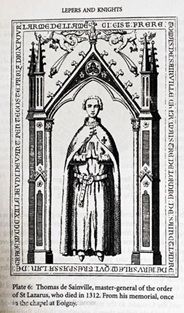
A cavallo tra il XIII e il XIV secolo, l'Ordine di San Lazzaro di Gerusalemme attraversò un periodo cruciale della sua storia. Al suo comando vi fu Thomas de Sainville, Gran Maestro dal 1277 al 1312, la cui guida segnò la transizione definitiva dell'Ordine dall'Oriente all'Occidente.
Quando Tommaso de Sainville divenne Gran Maestro, la situazione degli stati latini in Oriente era già gravemente compromessa. La caduta di Acri nel 1291, ultima roccaforte crociata in Terra Santa, pose fine alla presenza franca organizzata nella regione. Come altri ordini militari, anche quello di San Lazzaro dovette quindi riorientare i propri sforzi e consolidare i propri possedimenti in Europa.
Sotto la guida di Thomas de Sainville, il centro effettivo dell'ordine si stabilì stabilmente in Francia, a Boigny-sur-Bionne, vicino a Orléans. Questa commenda divenne la sede magistrale e il cuore amministrativo dell'istituzione. Documenti dell'epoca lo definiscono "Maestro Generale dell'Ordine di San Lazzaro di Gerusalemme, in questa terra e oltreoceano", un titolo che sottolinea l'ampiezza della sua autorità sulle commende europee e sugli insediamenti ancora legati alla tradizione orientale.
Il sostegno della monarchia francese, in particolare durante il regno di Filippo IV il Bello, contribuì a rafforzare la presenza dell'ordine in Francia. In questo contesto di riorganizzazione delle forze religiose e militari dopo le Crociate, Thomas de Sainville emerse come amministratore e organizzatore, garantendo la continuità istituzionale di un ordine nato in Terra Santa ma ormai saldamente radicato in Occidente.
Morì nel 1312. Secondo le prime fonti, fu sepolto nella cappella della commenda di Boigny. Il suo epitaffio, noto grazie a trascrizioni successive, ricordava il suo status di cavaliere e maestro dell'Ordine di San Lazzaro di Gerusalemme. Sebbene la sua tomba non esista più, il suo nome rimane legato a una delle fasi più importanti della storia dell'Ordine: il suo adattamento e la sua sopravvivenza dopo la fine delle Crociate.
FAMOUS LAZZARITES GRAND MASTER THOMAS DE SAINVILLE
Between the 13th and 14th centuries, the Order of Saint Lazarus of Jerusalem underwent a crucial period in its history. At its head was Thomas de Sainville, Grand Master from 1277 to 1312, whose leadership marked the Order's definitive transition from the East to the West.
When Thomas de Sainville became Grand Master, the situation of the Latin states in the East was already seriously compromised. The fall of Acre in 1291, the last Crusader stronghold in the Holy Land, ended the organized Frankish presence in the region. Like other military orders, the Order of Saint Lazarus therefore had to refocus its efforts and consolidate its possessions in Europe.
Under Thomas de Sainville's leadership, the order's effective center was permanently established in France, at Boigny-sur-Bionne, near Orléans. This commandery became the magisterial seat and administrative heart of the institution. Contemporary documents describe him as "Master General of the Order of Saint Lazarus of Jerusalem, in this land and beyond the ocean," a title that emphasizes the breadth of his authority over European commanderies and settlements still tied to the Eastern tradition.
The support of the French monarchy, particularly during the reign of Philip IV the Fair, helped strengthen the order's presence in France. In this context of reorganization of religious and military forces after the Crusades, Thomas de Sainville emerged as an administrator and organizer, ensuring the institutional continuity of an order born in the Holy Land but now firmly rooted in the West.
He died in 1312. According to early sources, he was buried in the chapel of the Commandery of Boigny. His epitaph, known through later transcriptions, recalled his status as knight and master of the Order of Saint Lazarus of Jerusalem. Although his tomb no longer exists, his name remains linked to one of the most important phases in the history of the Order: its adaptation and survival after the end of the Crusades.
Iscriviti alla nostra Newsletter
News Ordine di San Lazzaro di Gerusalemme – Gran Baliato di Sicilia